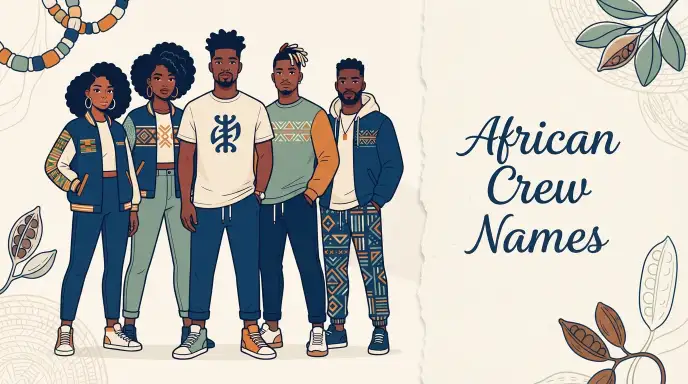
African crew names can refer to names connected with different African ethnic groups, languages, and cultural traditions. Africa is home to thousands of communities, so there is no single system of “African names.” A name from Yoruba culture, for example, has a different background from a Zulu, Akan, Somali, or Shona name.
Many African names carry ideas about family, birth, faith, nature, character, hope, joy, or blessings. Some names are also influenced by Christianity, Islam, or local religious traditions. This guide explores African names by cultural and language background so you can find meaningful choices while understanding where each name comes from.
African Names From Different Cultural Groups
African naming traditions vary widely from one community to another. A name that is common in one culture may be uncommon or have a different meaning in another.
Some African cultural and linguistic groups with distinctive naming traditions include:
- Yoruba
- Igbo
- Akan
- Hausa
- Somali
- Amhara
- Oromo
- Zulu
- Xhosa
- Shona
- Tswana
- Ewe
- Fulani
- Wolof
- Kikuyu
These groups are not interchangeable. Each has its own history, language, customs, and naming practices.
For this reason, it is more accurate to describe a name by its specific cultural or linguistic background when that information is known.
Yoruba Names
The Yoruba people, found mainly in Nigeria and nearby parts of West Africa, have rich naming traditions. Their names may reflect family experiences, birth circumstances, religious beliefs, gratitude, or hopes for a child.
Examples include:
- Ade
- Adebayo
- Adedayo
- Adeola
- Ayodele
- Ayomide
- Babatunde
- Bolanle
- Folake
- Olumide
- Temitope
- Yetunde
Many Yoruba names contain elements that have their own meanings. Ade, for example, is associated with a crown or royalty in Yoruba naming elements.
A Yoruba name is best understood within the Yoruba language rather than simply being labeled as a general African name.
Igbo Names
Igbo naming traditions come from the Igbo people, primarily in southeastern Nigeria. Names may express religious ideas, family experiences, gratitude, aspirations, or circumstances surrounding birth.
Examples include:
- Chidi
- Chidiebere
- Chidimma
- Chiamaka
- Chukwuemeka
- Ifeanyi
- Ikenna
- Nneka
- Ngozi
- Obinna
- Uche
- Ugochukwu
Some Igbo names contain elements connected with Chukwu, a name referring to God in Igbo religious vocabulary. The meaning of a full name depends on its complete linguistic form.
Akan Names
Akan naming traditions are especially associated with Ghana and parts of neighboring West Africa. One well known feature is the use of day names, which are traditionally connected with the day on which a person was born.
Examples include:
- Kwame
- Kofi
- Kojo
- Kwadwo
- Kwabena
- Kwaku
- Yaw
- Ama
- Akosua
- Adwoa
- Abena
- Afua
Names such as Kofi and Kwame are widely recognized Akan names connected with particular birth days.
Akan naming is a good example of why African naming traditions should be discussed with cultural context instead of being placed into one general category.
Swahili Names
Swahili is widely spoken across East Africa, including Kenya and Tanzania. Its naming traditions reflect a mix of African, Arabic, Islamic, and other linguistic influences.
Examples include:
- Amani
- Baraka
- Jabari
- Juma
- Imani
- Neema
- Rehema
- Zawadi
- Asha
- Bahati
Amani is commonly associated with peace, while Zawadi is associated with a gift.
Because Swahili developed through contact between different cultures and languages, not every name used by Swahili speakers has the same linguistic origin.
Zulu Names
The Zulu people have a rich naming tradition rooted in southern Africa, particularly South Africa. Their language, Zulu, belongs to the wider Nguni language family.
Examples include:
- Ayanda
- Bhekizizwe
- Bongani
- Lindiwe
- Nandi
- Nokuthula
- Sibusiso
- Sipho
- Thandeka
- Zanele
Names such as Nokuthula are associated with peace, while names containing elements related to thando can connect with love.
Spelling matters because small differences in a name can change its linguistic form or meaning.
Xhosa Names
The Xhosa people of southern Africa have their own rich naming traditions. Names may reflect family history, the circumstances of a child’s birth, hopes for the future, or valued personal qualities.
Examples include:
- Amahle
- Ayanda
- Luthando
- Noxolo
- Sakhile
- Siphesihle
- Thando
- Zimasa
- Zintle
Thando is associated with love, while Noxolo is commonly associated with peace.
Xhosa names can have distinctive sounds and spelling patterns. Using the correct spelling is important when choosing a name from this tradition.
African Girl Names
If you are specifically looking for African girl names, there are many choices across different languages and communities.
Some examples include:
- Aisha
- Ama
- Akosua
- Amina
- Chiamaka
- Chidimma
- Imani
- Nandi
- Neema
- Nokuthula
- Rudo
- Zanele
- Zawadi
These names come from different cultural or linguistic backgrounds, so they should not be treated as one shared naming tradition.
For example, Ama is associated with Akan naming, while Chiamaka comes from Igbo. Nokuthula belongs to southern African Nguni language naming traditions.
African Boy Names
African boy names also vary greatly by region, language, and ethnic community.
Some examples include:
- Ade
- Adebayo
- Babatunde
- Chidi
- Ikenna
- Kwame
- Kofi
- Jabari
- Sibusiso
- Sipho
- Tawanda
- Yusuf
Before choosing one, check the name’s cultural background and original meaning. A name can sound broadly African while actually belonging to a very specific language or community.
African Names With Beautiful Meanings
Many people search for African names because they want a name connected with a meaningful idea.
| Name | Cultural or language context | Commonly associated meaning |
| Amani | Swahili | Peace |
| Zawadi | Swahili | Gift |
| Imani | Swahili | Faith |
| Neema | Swahili | Grace |
| Thando | Nguni languages | Love |
| Rudo | Shona | Love |
| Tariro | Shona | Hope |
| Chipo | Shona | Gift |
| Ayomide | Yoruba | Joy has arrived |
| Ngozi | Igbo | Blessing |
Meanings can vary depending on spelling, dialect, language, and interpretation. A traditional meaning should be checked in a reliable language or cultural source when accuracy matters.
African Names With Nature Connections
Nature can be an important theme in naming, although the exact connection depends on the language and culture.
Some names may relate directly to nature, while others express ideas such as peace, beauty, growth, or joy.
Examples include:
- Amani
- Zawadi
- Nandi
- Zintle
- Ayomide
- Tariro
Not every name described online as a nature name has a confirmed traditional nature meaning. If you want a name with a direct connection to an animal, plant, landscape, or natural element, check the original language carefully.
African Names Related to Love
Names connected with love can be found in several African languages.
Examples include:
- Rudo; associated with love in Shona
- Thando; associated with love in Nguni languages
- Luthando; contains an element associated with love in Xhosa and related Nguni languages
- Ayomide; associated with joy in Yoruba
These meanings should not be mixed together simply because the names appear on the same list. Each name belongs to a particular linguistic context.
African Names Related to Hope and Faith
Hope and faith are meaningful themes in several African naming traditions.
Examples include:
- Tariro; associated with hope in Shona
- Rutendo; associated with faith in Shona
- Tumelo; associated with faith or belief in Southern African languages
- Imani; associated with faith in Swahili
A name connected with hope or faith can carry a positive message while also preserving a link to its language and cultural background.
African Names Related to Gifts and Blessings
Names associated with gifts and blessings can be found in several African naming traditions.
Examples include:
- Zawadi; gift in Swahili
- Chipo; associated with gift in Shona
- Ngozi; blessing in Igbo
- Sibusiso; associated with blessing in Zulu
- Chidiebere; associated with God’s mercy in Igbo
These names show how naming can express gratitude and appreciation for a child’s arrival.
African Names by Language
Looking at names by language can make your search more accurate.
| Language or cultural tradition | Example names |
| Yoruba | Ade, Ayomide, Olumide |
| Igbo | Chidi, Nneka, Ngozi |
| Akan | Kofi, Kwame, Ama |
| Swahili | Amani, Neema, Zawadi |
| Shona | Chipo, Rudo, Tariro |
| Xhosa | Thando, Noxolo, Zintle |
| Zulu | Nandi, Sipho, Zanele |
| Somali | Ayaan, Farah, Hodan |
| Amharic | Hana, Dawit, Selam |
This approach helps you understand where a name comes from instead of grouping unrelated names under one broad label.
Traditional African Names
Traditional names often have a strong connection to family, language, religion, history, or community customs.
Examples include:
- Adebayo
- Babatunde
- Chidimma
- Chukwuemeka
- Kofi
- Kwame
- Nneka
- Nandi
- Sibusiso
- Tawanda
- Yetunde
- Zanele
Traditional does not always mean ancient. A name can remain part of a living naming tradition and still be used by families today.
Unique African Names
If you want a name that feels less familiar, looking at specific African languages can give you more choices than a general list of African names.
Some possibilities include:
- Adedayo
- Ayomide
- Chidiebere
- Chukwuemeka
- Kudakwashe
- Luthando
- Munyaradzi
- Olumide
- Siphesihle
- Sibusiso
- Zimasa
- Tariro
A name may seem unusual outside its original community while being familiar within that culture. “Unique” is therefore relative to the country, language, and community where the name is used.
African Names for Babies
Choosing an African baby name can be a meaningful way to connect a child’s name with a particular language, family tradition, or cultural background.
Some options include:
- Amani
- Ayomide
- Chiamaka
- Ikenna
- Kofi
- Kwame
- Neema
- Nokuthula
- Rudo
- Tariro
- Thando
- Zawadi
Before choosing one, check its original spelling and meaning, especially when the name comes from a language you do not speak.
African Names for Characters
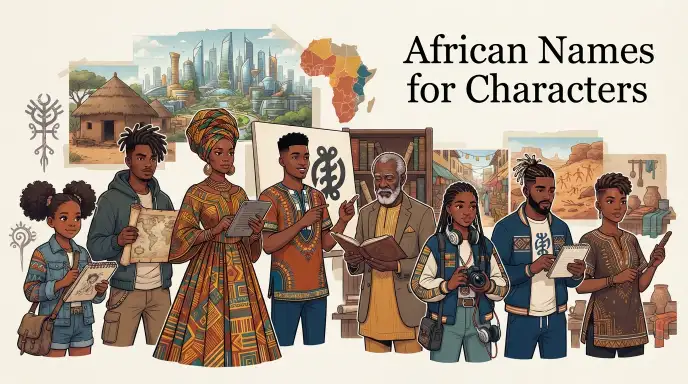
African names can also work well for fictional characters, but the character’s background should match the name’s cultural setting.
For example, a Yoruba character could have a Yoruba name, while an Igbo character could use an Igbo name. A Somali character can have a Somali name, while a Zulu character can have a Zulu name.
This creates a more believable connection between the character and their fictional background.
If your story has a completely fictional world, you can also create original names. In that case, it is better to make clear that the names are fictional rather than presenting them as authentic traditional African names.
African Names for Stories and Fantasy
African inspired names can be useful for stories, games, and fictional worlds. If your setting is inspired by a real African culture, research the relevant language instead of combining random names from different regions.
For a completely fictional setting, original names can give you more creative freedom.
The key difference is context. A fictional name inspired by African languages is not necessarily a traditional name from an existing African community.
What Does “African crew” Mean?
The phrase African crew is commonly used in searches, but it can be too broad for accurate cultural discussion.
Africa contains thousands of ethnic groups, language communities, and cultural traditions. Terms such as ethnic group, people, community, or language group can sometimes be more precise than “ crew.”
For example, Yoruba, Igbo, Akan, Somali, Zulu, and Xhosa refer to distinct peoples or cultural and linguistic communities with their own histories and traditions.
This distinction matters when researching names because a name’s meaning and use are usually connected to a specific language or community.
Are All African Names Traditional?
No. African names can be traditional, modern, religious, international, or influenced by several languages and cultures.
A person from an African country may have:
- A traditional local name
- A Christian name
- A Muslim name
- An Arabic influenced name
- A European influenced name
- A modern name
- More than one personal name
Naming practices can also change over time. A name that was common in an earlier generation may have a different level of use today.
How African Names Are Chosen
There is no single African naming ceremony or naming rule. Practices differ greatly between ethnic groups, countries, religions, and families.
Depending on the community, parents may consider:
- Circumstances of birth
- Family history
- Ancestry
- Religious beliefs
- Birth day or season
- Grandparents or relatives
- Hopes for the child
- Personal qualities
- Community traditions
- Language and heritage
Some families may give a child more than one name, while others may follow naming structures involving parents or grandparents.
The most useful approach is to research the specific cultural tradition rather than assuming that one practice represents all African communities.
How to Choose an African Name
Start with the culture or language that interests you. This makes the search more focused and helps prevent accidental mixing of unrelated traditions.
Consider these points:
- Origin; identify the language or community.
- Meaning; verify the meaning in a reliable source.
- Pronunciation; learn how the original name is spoken.
- Spelling; preserve the correct form where possible.
- Cultural context; understand how the name is used.
- Personal connection; consider why the name matters to you.
- Surname fit; say the complete name aloud.
- Modern usage; check if the name is used today.
A name can be beautiful and meaningful while still requiring careful research. Understanding its background can make the final choice more thoughtful.
Frequently Asked Questions About African crew Names
What are African crew names?
African crew names usually refers to names associated with specific African ethnic or cultural groups. Examples include Yoruba, Igbo, Akan, Somali, Zulu, Xhosa, and Shona naming traditions.
What are some popular African names?
Examples include Amani, Kofi, Kwame, Ayomide, Chiamaka, Nandi, Thando, Zawadi, Tariro, and Sibusiso. Their meanings and cultural backgrounds differ.
What is a good African name for a boy?
Some options include Adebayo, Ayodele, Chidi, Ikenna, Kofi, Kwame, Jabari, Sibusiso, and Tawanda. The right choice depends on the specific culture and meaning you want.
What is a good African name for a girl?
Options include Ama, Akosua, Chiamaka, Ayaan, Nandi, Nokuthula, Rudo, Tariro, Zanele, and Zawadi. Check the cultural background before choosing one.
What African names mean love?
Rudo is associated with love in Shona, while Thando is associated with love in Nguni languages. Luthando also contains an element connected with love in Xhosa and related Nguni languages.
What African names mean peace?
Amani is associated with peace in Swahili. Nokuthula and Noxolo are associated with peace in southern African languages.
What African names mean hope?
Tariro is associated with hope in Shona. Names such as Rutendo and Tumelo are associated with faith or belief in southern African languages.
Are African names from one language?
No. African names come from many languages and cultural traditions. Yoruba, Igbo, Akan, Swahili, Somali, Zulu, Xhosa, Shona, Amharic, and many other languages have their own naming practices.
Is “African crew” the correct term?
“ crew” is a broad term and may not always be the most precise description. Ethnic group, people, community, or language group can be more specific depending on the context.
How can I choose an authentic African name?
Start by choosing a specific culture or language. Then research the name’s original spelling, meaning, pronunciation, and cultural use. This is more reliable than choosing from a general list of African names.
Conclusion
African names represent a wide range of languages, peoples, histories, and cultural traditions. Yoruba, Igbo, Akan, Swahili, Somali, Zulu, Xhosa, Shona, and other naming traditions each have their own patterns and meanings.
If you are choosing an African name, focus on the specific culture and language behind it. Check its meaning, pronunciation, spelling, and current use before making your choice. Understanding the background of a name can make it more meaningful and help you use it with cultural respect.
Explore more names!

Hi, I’m Emily Broks, a name researcher and content writer. I enjoy exploring unique baby names, meaningful names, pet names, cultural names, and creative name ideas to help readers find the perfect name.